





























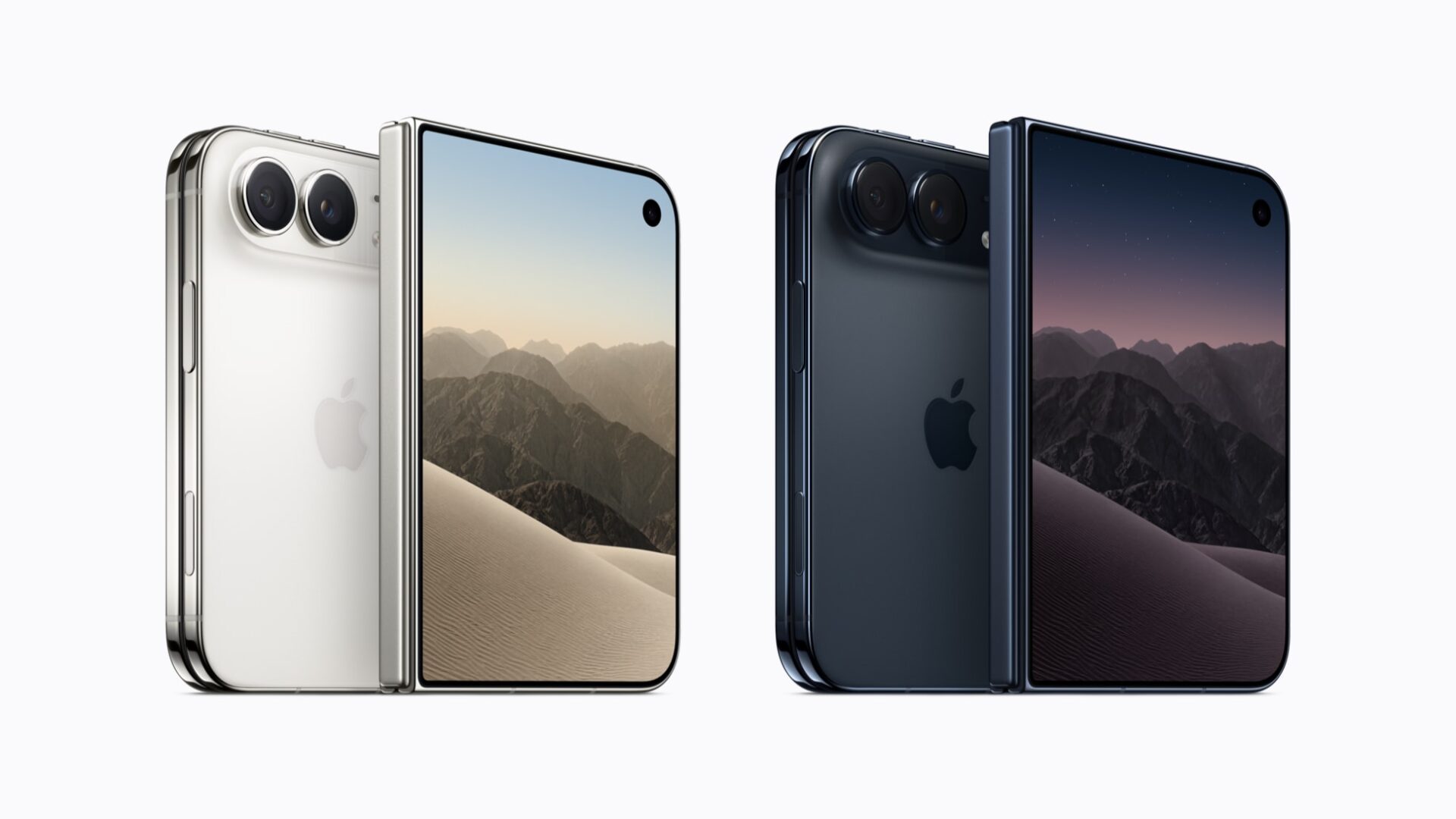
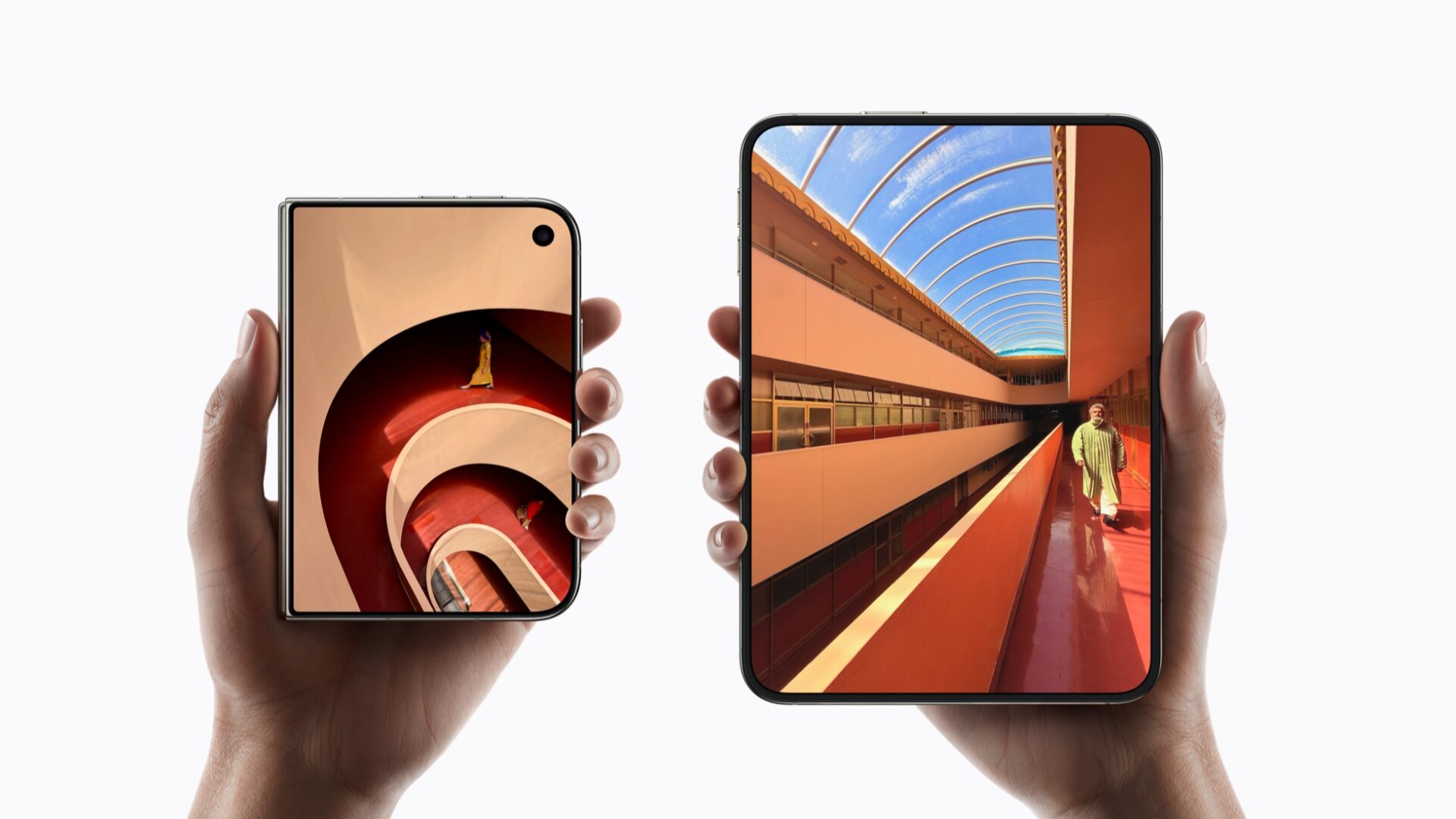
iPhone Duo gives Apple its first folding phone, with a U.S. starting price of $1,999. In its September 9 announcement, Apple confirmed October 16 preorders and an October 23 launch. The 256GB base model opens from a compact outer screen into a 7.6-inch display.
However, the extra screen needs to earn that price. Apple’s pitch centers on two apps at once, larger video calls and new camera previews. Those are useful possibilities, but this announcement is not a hands-on verdict on comfort or durability.
iPhone Duo price and release date
Preorders begin at 5 a.m. Pacific on October 16 in more than 70 countries and regions, including the United States. Sales start October 23. Meanwhile, another 28 markets follow on October 30. Apple offers Night Sky and Star White finishes, with 256GB, 512GB, 1TB and 2TB storage options.
The announcement follows the Apple September 9 event invitation we covered earlier. That notice supplied the schedule; today’s release supplies the product details. Also, Duo ships with iOS 27.1, while Apple Pencil compatibility arrives later this year. Buyers should keep that timing distinction in mind.
How the iPhone Duo screens change the experience
Apple’s product page describes a 5.4-inch outer display and a 7.6-inch inner screen. Both support ProMotion refresh rates up to 120Hz. Meanwhile, the inner screen’s nano-texture finish aims to reduce glare and crease visibility. That is Apple’s design claim, rather than proof that the fold disappears in every lighting condition.
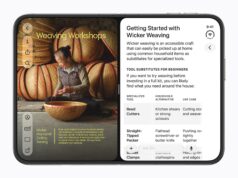
For example, Split View can place two different apps side by side or open two Safari windows. Users can also save app pairs for later. Apple’s short demonstration below shows the interaction, making the multitasking claim easier to assess than a spec sheet alone.
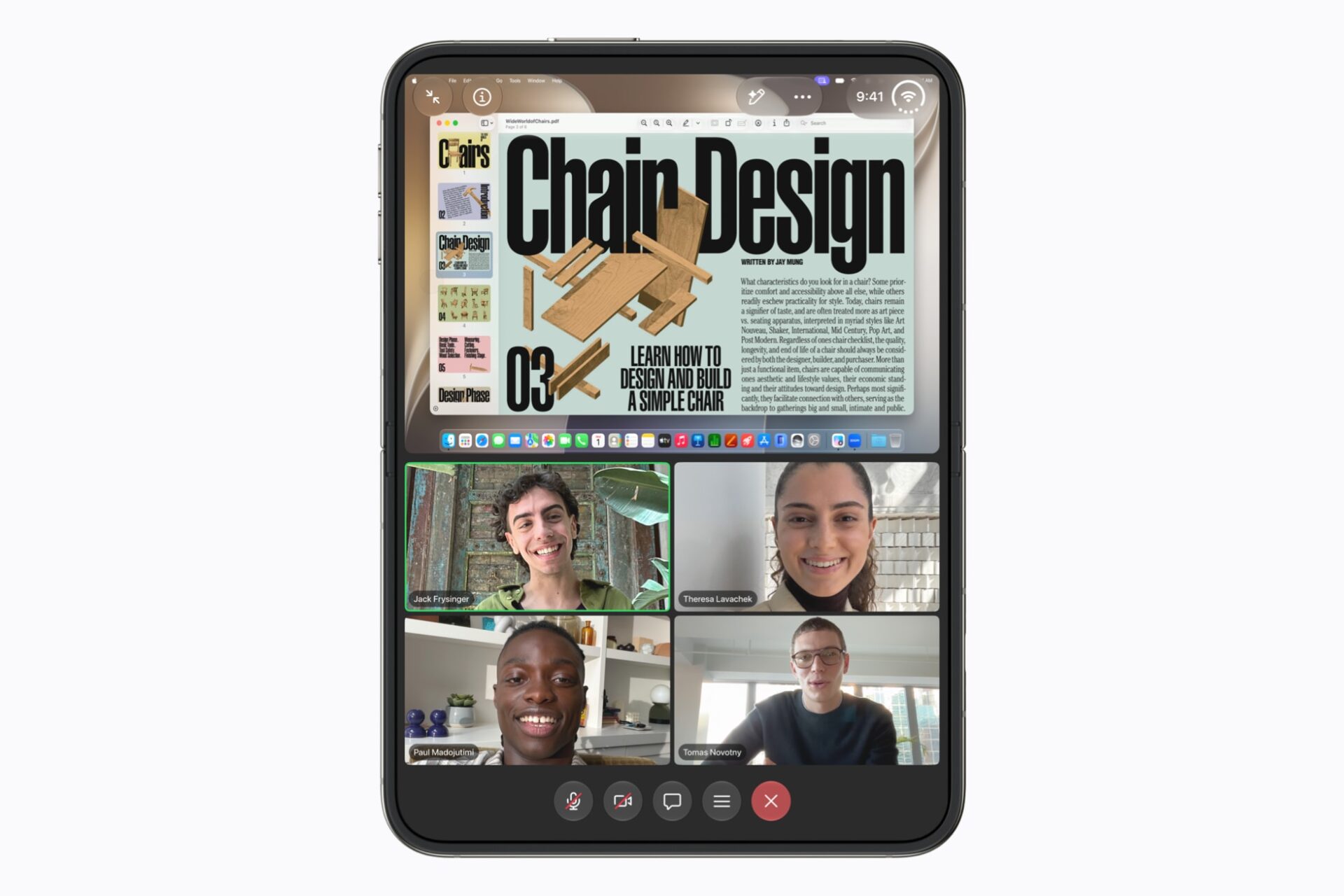
Additionally, Zoom can show shared material alongside call participants. The official screenshot illustrates that use case without requiring several separate phone screens. However, app support still matters. Apple identifies optimized third-party apps, but that does not establish how every app will use the wider canvas.
Meanwhile, Apple places Touch ID in the side button. The technical specifications list a 254-gram weight and an 11.3mm closed thickness, versus 5.2mm open. Therefore, shoppers should judge pocket comfort with the phone folded. A thin open panel does not describe the whole carrying experience.
Cameras, battery life and practical limits
Inside, Apple pairs its A20 Pro chip with a vapor chamber and two batteries. The specifications also list USB 3 transfer speeds up to 10Gb/s. For wired charging, Apple’s roughly 20-minute, 50-percent claim requires a 60W-capable adapter or higher, sold separately.
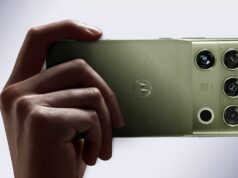
The rear camera system combines a 48MP Main camera with a 48MP Ultra Wide. The Main camera also provides 12MP optical-quality 2x framing. In other words, that 2x option is part of the Main camera system, rather than a separate rear telephoto lens.
Also, the outer screen lets subjects see a camera preview, and users can frame selfies with the rear cameras. An under-display FaceTime camera serves the inner screen. Meanwhile, Apple’s Main-camera video specification reaches 4K Dolby Vision at 120 frames per second.
Apple rates video playback at up to 31 hours on the inner screen and 44 hours on the outer screen. Separately, it lists up to 24 hours of typical use. These are different measurements, so a playback figure should not become a promise about a full day of mixed tasks.
Finally, Duo uses eSIM worldwide, so physical-SIM users need to check carrier compatibility. Apple lists IP68 resistance, but that rating does not answer long-term hinge or inner-screen wear questions. At this price, repair coverage and daily handling deserve attention alongside the display size.
The larger screen must earn its place in your pocket. Our coverage of Gemini Notebook on Samsung foldables shows another approach to using that space. For now, Apple’s strongest case is visible multitasking; independent testing still needs to establish the everyday trade-offs.